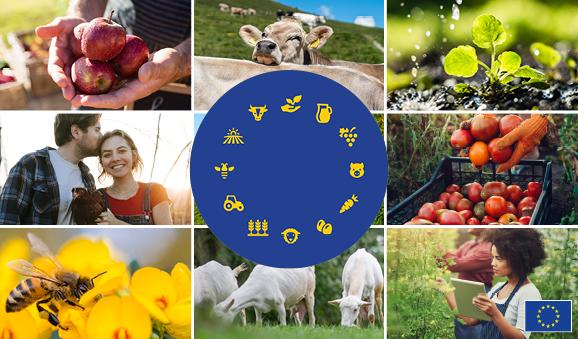

Recognising the essential role of farmers in our lives, the Vision seeks to boost the agri-food sector’s competitiveness and attractiveness.

Young people play an essential role in ensuring the future sustainability and competitiveness of Europe’s agricultural sector and rural areas.
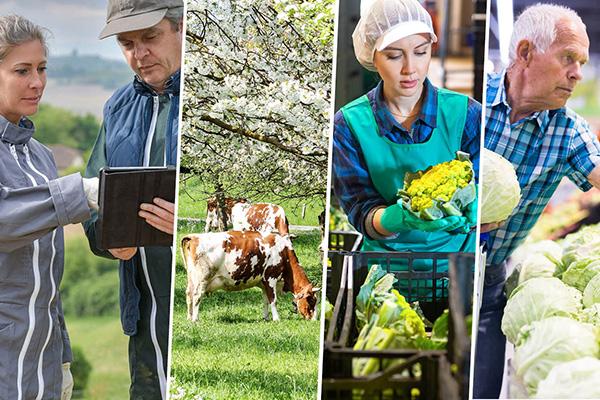
The Dialogue is crucial for developing a joint understanding of the future EU farming and food system.
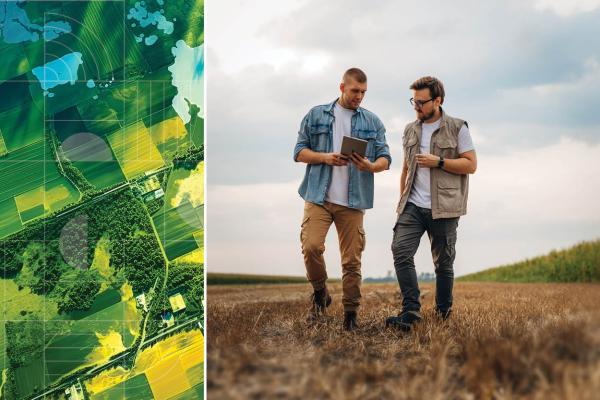
EU countries and worked hard to deliver swift and concrete actions to respond to the issues raised.
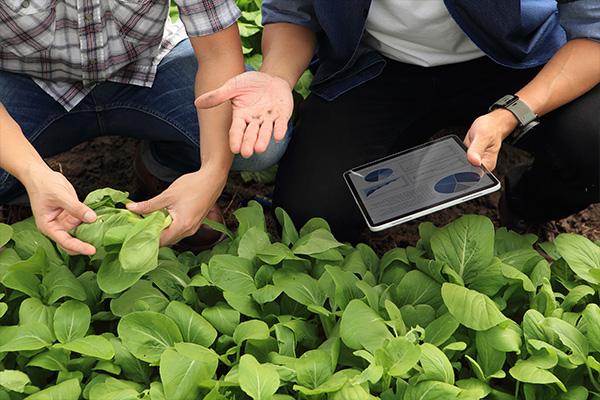
Research and innovation plays a crucial role in ensuring the EU evolves to meet the challenges it faces while continuing to deliver on its policy objectives.
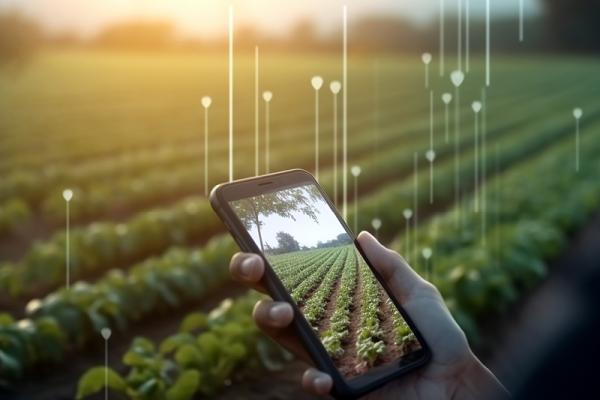
The digitalisation of agriculture and rural areas in the EU supports the modernisation, competitiveness, and sustainability of agriculture.
CAP strategic plans
EU countries' CAP strategic plans will combine a wide range of targeted interventions to address their specific needs and deliver tangible results in relation to EU-level objectives, while contributing to the Green Deal.
The plans must contribute to, and be consistent with, EU legislation and commitments relating to climate and the environment, including those laid out in the Farm to Fork and biodiversity strategies.
Featured topics
Information on certification and conversion for aspiring organic farmers.
The organic logo gives a coherent visual identity to organic products produced in the EU.
The EU protects the names of specific products to promote their unique characteristics, which separate them from others.
The Food for Europe podcast
The Food for Europe podcast is a European podcast series about the food we eat and the farmers who produce it, featuring interviews with key players in EU agricultural policy.